Velvet
mellow · aged · mature
Long-cellared reds that arrive already softened. No edges left to catch on — the tannin has been sanded down by time.
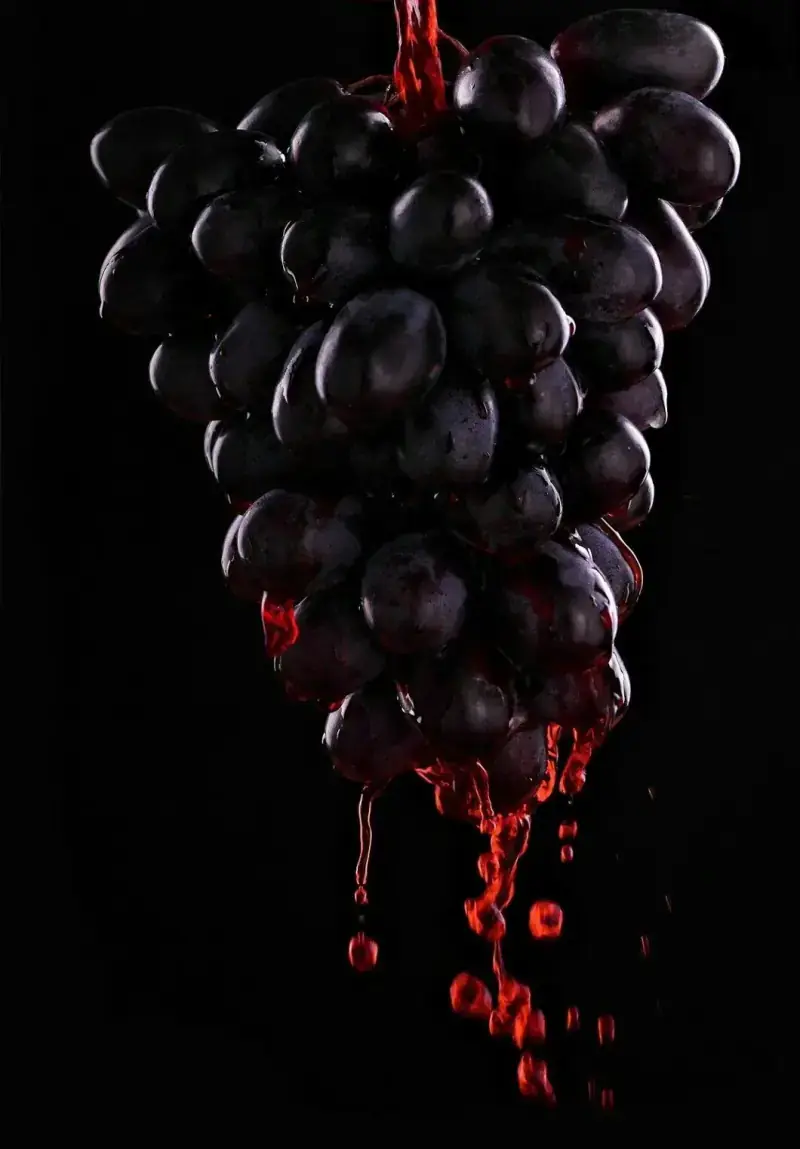
Three wines · Three vials · One crate
We came for the story, we saw the vineyard, and then we drank it. Every first order arrives with three sealed vials — the two wines you did not choose, and a library vintage of the one you did. The cellar introduces itself before you commit.
The trouble with buying wine
You can read a tasting note ten times and still not know whether a wine will sit heavy on the tongue or leave like silk pulled through a ring. A label is somebody else's memory of a mouthful.
So we stopped asking you to trust ours. Taste first. Buy second. That is the whole shop.
See how that works
The value in the box
Three sealed 50 ml vials: the two wines you did not order, plus a library vintage of the one you did. They travel in the same crate, at no cost, on a first purchase.
Three vials · 50 ml each · numbered, with the order to taste them in
Anything in the cellar. One bottle is enough to open an account with us.
Packed beside it, chilled the same way, with a card telling you which order to taste them in and what to look for.
Tell us which vial stopped the conversation. We build the case around it and take €12 off — the value of the flight, returned.
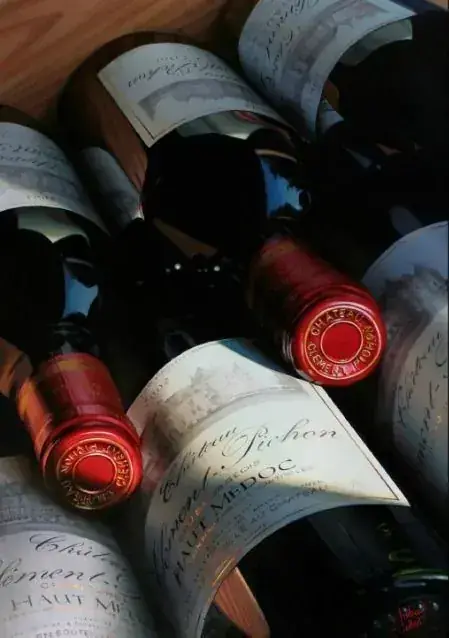
Three houses
Most shops file wine by country. We file it by what it does between your teeth and your throat.
mellow · aged · mature
Long-cellared reds that arrive already softened. No edges left to catch on — the tannin has been sanded down by time.
piquant · tangy · earthly
Wines with grip and dirt under the fingernails. Sour cherry, white pepper, wet stone, a little smoke at the back.
potent · bold · complex
Dense, layered, slow to open. These are the bottles that need an hour, a decanter and somebody to argue with.

Melt in the mouth, measured
Texture is the only thing a photograph cannot carry, so we score it by hand. Every wine in the cellar is tasted blind by three people and rated on the same scale.
Scored 0–100. A high silk score means the wine goes down without asking anything of you.
Who pours this
We buy from eleven growers across six regions, most of them families who have never had a website. When you order, we tell you whose hands were on the fruit — the name, the slope, the year it nearly failed.
Read our story
Veni · Vidi · Vino
One bottle, three vials, and an evening that people remember the wrong details of for years.
One bottle from each house, and nothing else. Choose one — the other two arrive as vials in the same crate, free on a first order.
Blood of Vine started as an argument at a long table. One of us claimed you could describe a wine so well that somebody would taste it from the words alone. The rest of the table disagreed for four hours, and then we opened the bottle and everybody went quiet.
That silence is the whole product. We are not selling a drink — we are selling the minute after the first sip, when the conversation stops.
How a bottle gets in
Everything is tasted without a label by three people who are not allowed to talk until they have written their scores. If the silk score varies by more than fifteen points between us, we taste it again on another day.
Three wines survive that at any one time — one per house, and no more. When a grower's vintage changes, the wine leaves the cellar until the next one earns its place back.
Three growers
One wine each. We visit every harvest and we do not buy from anyone we have not eaten lunch with.
Who we pour for
Our customers rarely buy wine because they want a drink. They buy it because someone is coming over, or leaving, or turning forty, and the evening needs a centre.
Bottles that reward slow evenings with one other person and nothing in the calendar tomorrow.
The flight makes an unusually good present: it is a whole cellar in a box the size of a book.
For the one wine you decided was yours, laid down twelve at a time and rationed badly.
We sell wine, so we have to ask: are you of legal drinking age where you live?